
Problem Wildlife
Mitigating impacts to communities and infrastructure
We strive to maintain healthy wildlife populations while controlling species known to cause a disturbance.
The County has a full-time problem wildlife officer, and specialized equipment for trapping problem wildlife and removing beaver dams. The County also works with landowners who wish to keep beavers on their property.
Humane Animal Control
Control doesn't always mean destruction; it includes trapping and relocating as well. The County will not participate in any unnecessary reduction in wildlife populations; only in their control to numbers agreeable with the land's carrying capacity and tolerance of the producer.
Beaver Control Strategies
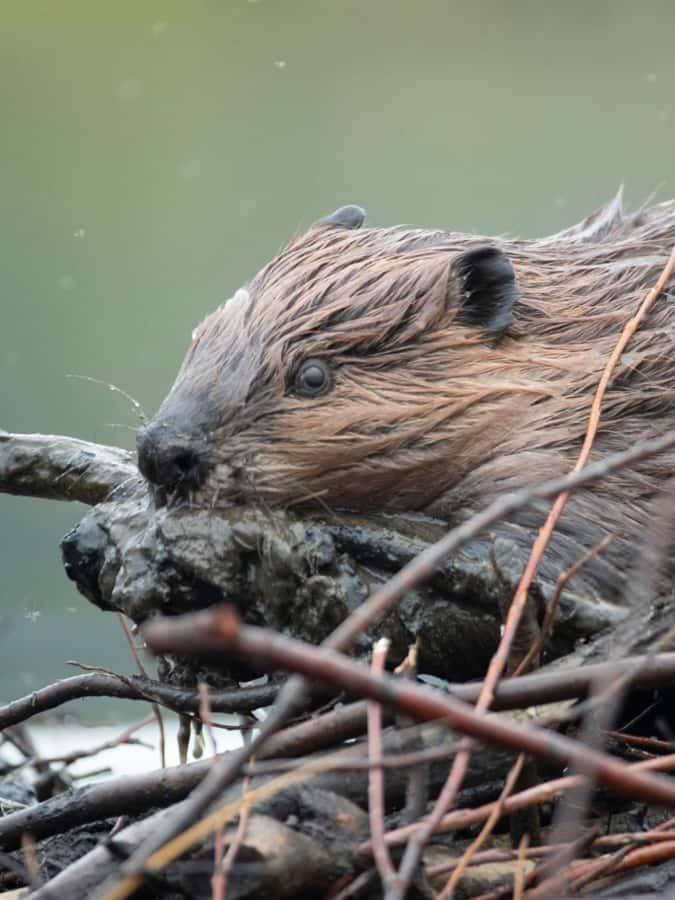
If left unchecked, beavers can cause substantial damage to public infrastructure and private property. The County employs humane, environmentally friendly strategies to keep beaver populations at bay, remove water blockages due to beaver habitats, and mitigate damage and loss where possible.
Beaver Dam Removal
Each year, we proactively remove known problematic beaver dams. We also provide dam removal assistance and advice to landowners who request our help.
Beaver Trapping Program
The County conducts its beaver trapping program each year during the spring and summer months, whereby beaver traps are laid in ditches and known problem spots.
Alternate Beaver Mitigation Strategies
The County and its associates provide a broad summary of alternative beaver management solutions that can help mitigate beaver-related damage and loss, and that foster an environment of human-wildlife coexistence.
Other Problem Wildlife in the County
Alberta's Rat Control Program
Albertans have enjoyed living without the menace of rats since 1950 when the Rat Control Program was established. Alberta’s rat-free status means there is no resident population of rats and they are not allowed to establish themselves. It does not mean we never get rats. Small infestations occasionally occur, but when found, the rats are isolated and eradicated through proven control methods.
Find out how we keep Alberta rat-free and what you can do to help.
Invasive Wild Boar Populations
When not being raised as livestock, wild boar are considered to be ‘at large.’ In Alberta, wild boar are an invasive species and a provincially regulated agricultural pest when at large. They can damage property, agricultural crops, pastures and the environment, and are known to endanger people and animals.
Under the Agricultural Pests Act and Pest and Nuisance Control Regulation, landowners are required to control or destroy pests and prevent them from becoming established on their land. In addition, you can help by learning to recognize signs of their activity, and reporting sightings of wild boar at large.
Report Wild Boar
If you see wild boar at large, or signs of wild boar activity:
- Safely take a picture.
- Note the location.
- Fill in our online reporting form:
Managing Coyote Predation
Producing livestock has many challenges — and coyote predation is one of them. Although they are important to the ecosystem, coyotes (which are wild canines found across North America) can cause problems when they damage or kill domestic livestock or domestic pets like dogs.
If you're dealing with problematic coyotes, there are ways the County can help prevent this from happening. Contact the Agricultural Services team to get started.
Skunks and Rabies
- Skunks can carry rabies, although there are very few rabid skunks in Alberta.
- Any skunk that is active in the daytime, unusually aggressive or approaches people and other animals without fear should be avoided.
- In the later stages of rabies infections, skunks may wander, be listless and docile, and have head or body tremors.
- If you see such behaviour in a skunk, bring in children and pets then notify the nearest Fish and Wildlife office or municipal animal control organization.
- Keep your pet's rabies vaccinations up to date, especially if it is allowed to roam.
Resources
Learn more to help manage conflicts with skunks:
Download in-depth information about skunk control from The Handbook: Prevention and Control of Wildlife Damage, published by the University of Nebraska:
Was this information helpful?
to Top